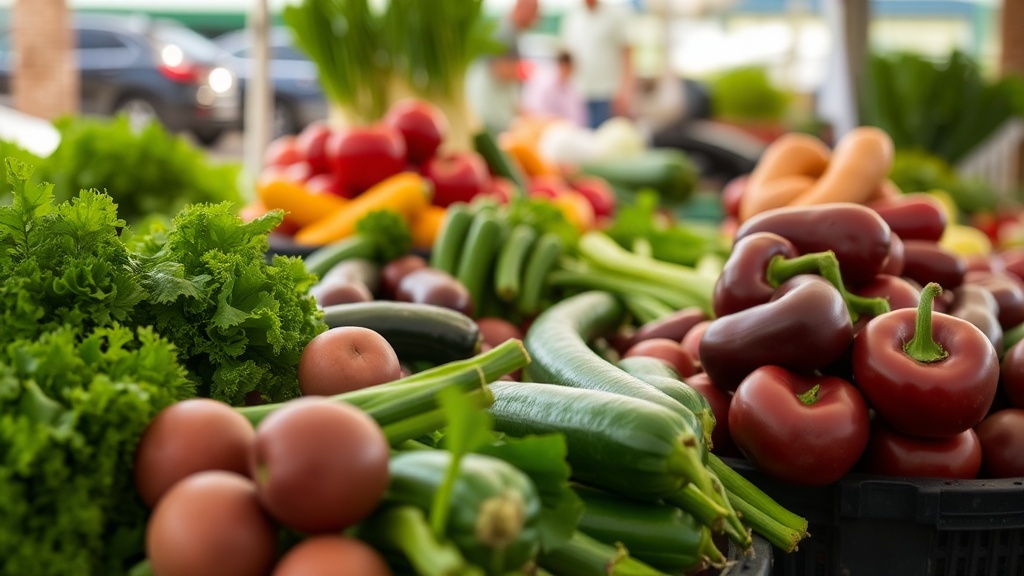
Finding the Best Seasonal Produce at Innisfil Farmers Markets

You'll learn exactly how to identify peak-season produce, which local markets in Innisfil offer the best variety, and how to shop like a seasoned local pro. Shopping at farmers markets in Simcoe County isn't just about buying vegetables; it's about knowing when to show up and what to look for to get the best value for your money.
What is the best time of year to shop for produce in Innisfil?
The peak window for fresh local produce in Innisfil runs from late June through September, with specific heavy hitters appearing in July and August. While some vendors offer greenhouse crops or hardy root vegetables later in the season, the true bounty of the Georgian Bay area is a summer phenomenon.
Spring is often a bit of a waiting game. You might see some hardy greens or radishes popping up in late May, but don't expect much before the frost is well and truly gone. If you go too early, you'll likely find more artisanal soaps and honey than actual vegetables.
Summer is when the magic happens. This is when the heavy hitters like heirloom tomatoes, sweet corn, and peaches hit the stalls. If you're a fan of local berries, keep an eye out for the early strawberry season in June, followed by the blueberries and raspberries that dominate July. It's a tight window, so move fast.
Autumn brings a shift toward the harvest of hardier crops. You'll see more pumpkins, squash, and apples as the temperature drops. This is actually one of the underrated things to do in Innisfil—visiting a market in the fall to stock up on seasonal squash for winter cooking.
Seasonal Produce Availability Calendar
Use this quick reference to plan your grocery runs throughout the year:
| Season | Top Produce Items | Best Time to Buy |
|---|---|---|
| Late Spring | Radishes, Spring Onions, Herbs | June |
| High Summer | Sweet Corn, Tomatoes, Peaches, Berries | July - August |
| Early Fall | Apples, Squash, Pumpkins, Apples | September |
| Late Fall | Root Vegetables (Carrots, Beets), Apples | October |
How much does seasonal produce cost at Innisfil markets?
Prices at local markets fluctuate based on current supply, weather patterns, and the specific crop being harvested. While you might pay a slight premium compared to a big-box discount store for certain items, the quality and lack of transport-related bruising usually justify the cost.
Here's the thing: produce prices are highly volatile. A week of heavy rain in Simcoe County can drive up the price of berries or knock them out of the market entirely. If you see a great price on local corn or tomatoes, buy it. You won't see that price again next week if a storm hits the local farms.
Generally, you can expect to pay a few cents more per unit than you would at a supermarket, but you're paying for flavor. A grocery store tomato is often a mealy, flavorless orb that traveled thousands of kilometers. A local market tomato is a different beast entirely.
Don't forget to bring cash. While many vendors are moving toward digital payments, some smaller-scale farmers might still prefer cash or have minimums for card transactions. It saves you the headache of a declined transaction at the checkout line.
Which Innisfil markets have the best selection?
The best selection depends on what you're looking for, but the most reliable way to find high-quality produce is to visit the established seasonal markets in the area. Most locals gravitate toward the larger, organized events that draw a significant number of regional farmers.
The Innisfil area benefits from being close to several major agricultural hubs in Ontario. This means you aren't just getting stuff from the immediate vicinity, but from the wider Simcoe and South Georgian Bay region. This variety is a huge advantage for us.
- The Innisfil Farmers Market: Great for a mix of produce and artisanal goods.
- Local Farm Stands: Often found along the side roads; these are best for bulk buying items like corn or pumpkins.
- Regional Markets: If you're willing to drive slightly further, the larger markets in nearby towns often have a larger variety of specialized vegetables.
I've found that the smaller, more "hidden" farm stands often have the best deals on bulk items. If you see a sign for "Sweet Corn" on a rural road, pull over. It's usually much better than what you'll find at a standard grocery store.
How do I know if produce is actually fresh?
Look for vibrant colors, firm textures, and a lack of bruising or soft spots to ensure you're getting the highest quality items. If a vegetable looks dull or feels mushy, leave it on the table.
For example, when buying leafy greens, look for crisp edges. If the edges are wilting or turning brown, the plant is already past its prime. For root vegetables, the skin should be taut. If a carrot or beet feels limp, it's lost its moisture content.
When it comes to fruit, smell is your best friend. A peach or a melon should have a subtle, sweet aroma. If it has no scent, it's likely underripe. If it smells slightly fermented, it's overripe and way too far gone.
A quick tip: always check the bottom of the container. Some vendors might hide bruised or bruised fruit at the bottom of a basket to make the top look better. It's not a rule, but it's a good habit to develop. (And yes, I've been guilty of it myself—don't judge!)
Understanding the agricultural landscape of Ontario can also help you understand why certain things are available now and others aren't. It's all about the cycle of the seasons. If you try to fight the season, you'll end up disappointed.
If you're looking for more ways to enjoy the local area, check out my guide on underrated things to do in Innisfil. Often, the best way to enjoy your fresh market haul is to take it on a picnic at one of our local parks.
One thing to keep in mind: always ask the farmer. If you aren't sure how to use a specific type of squash or how to store a certain type of herb, just ask. These people are experts and they are usually more than happy to share their knowledge. It's part of the whole experience.
The quality of the produce is also tied to how it's handled. Look for vendors who use clean, organized displays. A messy stall often correlates with a lack of attention to the produce itself. You want the person who takes pride in their presentation.
When you're shopping for berries, be especially careful. Berries are incredibly fragile. If you see a container where the berries are sitting in a pool of juice, stay away. That moisture will cause the rest of the berries to mold almost instantly once you get them home.
For a more detailed look at food safety and quality standards, you can always check the Government of Canada food safety guidelines. It's good to know the baseline for what you should expect from any food source.
Ultimately, shopping at the Innis-based markets is about more than just a grocery trip. It's about supporting our neighbors and getting food that actually tastes like something. It's a way more rewarding way to shop if you take the time to learn the rhythms of the season.
Steps
- 1
Check the seasonal calendar
- 2
Arrive early for best selection
- 3
Bring reusable bags and exact change
- 4
Ask vendors about harvest dates